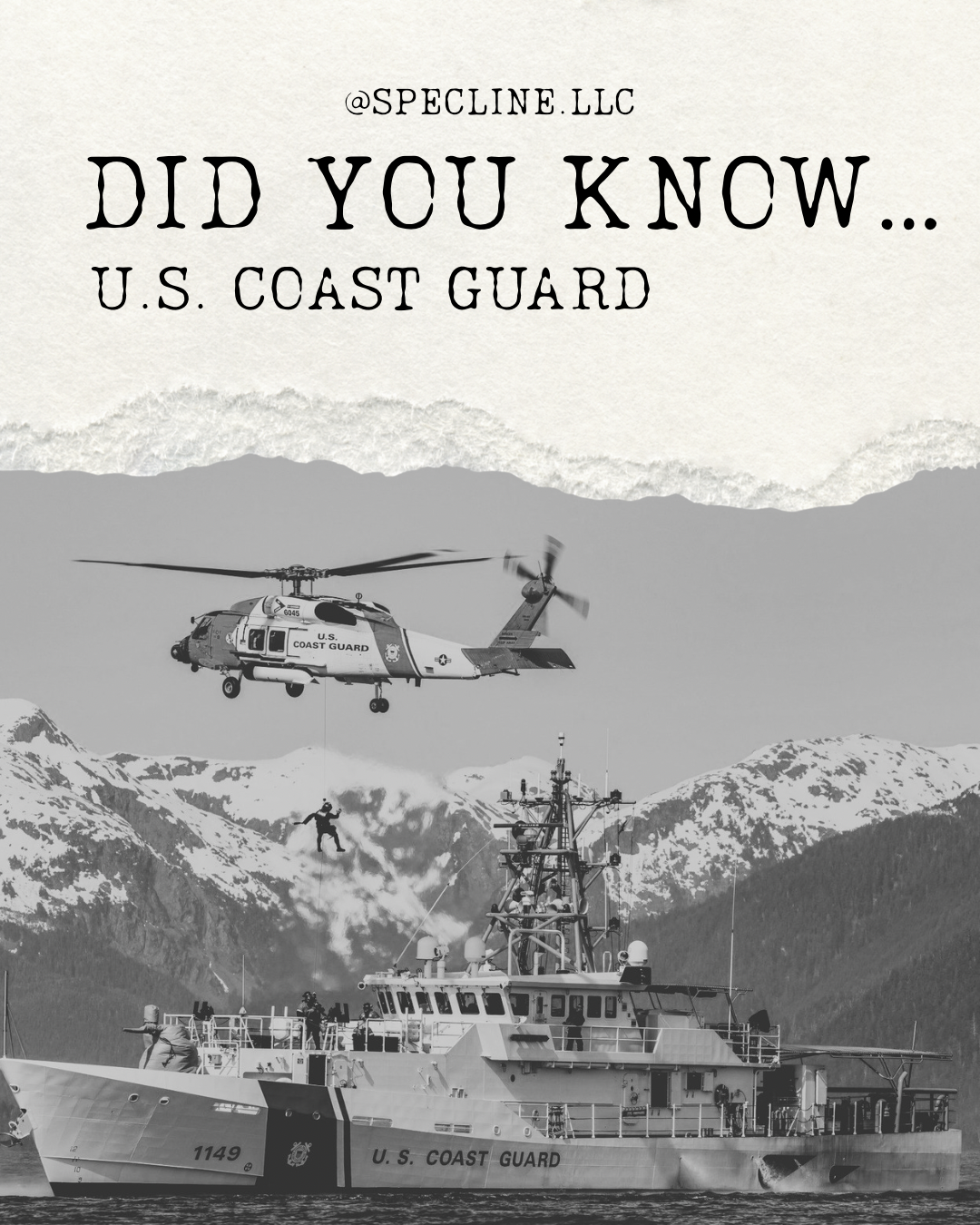
Did you know…(3rd Edition) USCG
The US Coast Guard: A Small Branch with a Massive Mission
When we talk about the military, the "big" names like the Army or Navy usually hog the spotlight. But there’s one branch that stays busy every single day, right here in our own backyard and around the globe: the United States Coast Guard.
Where It All Began
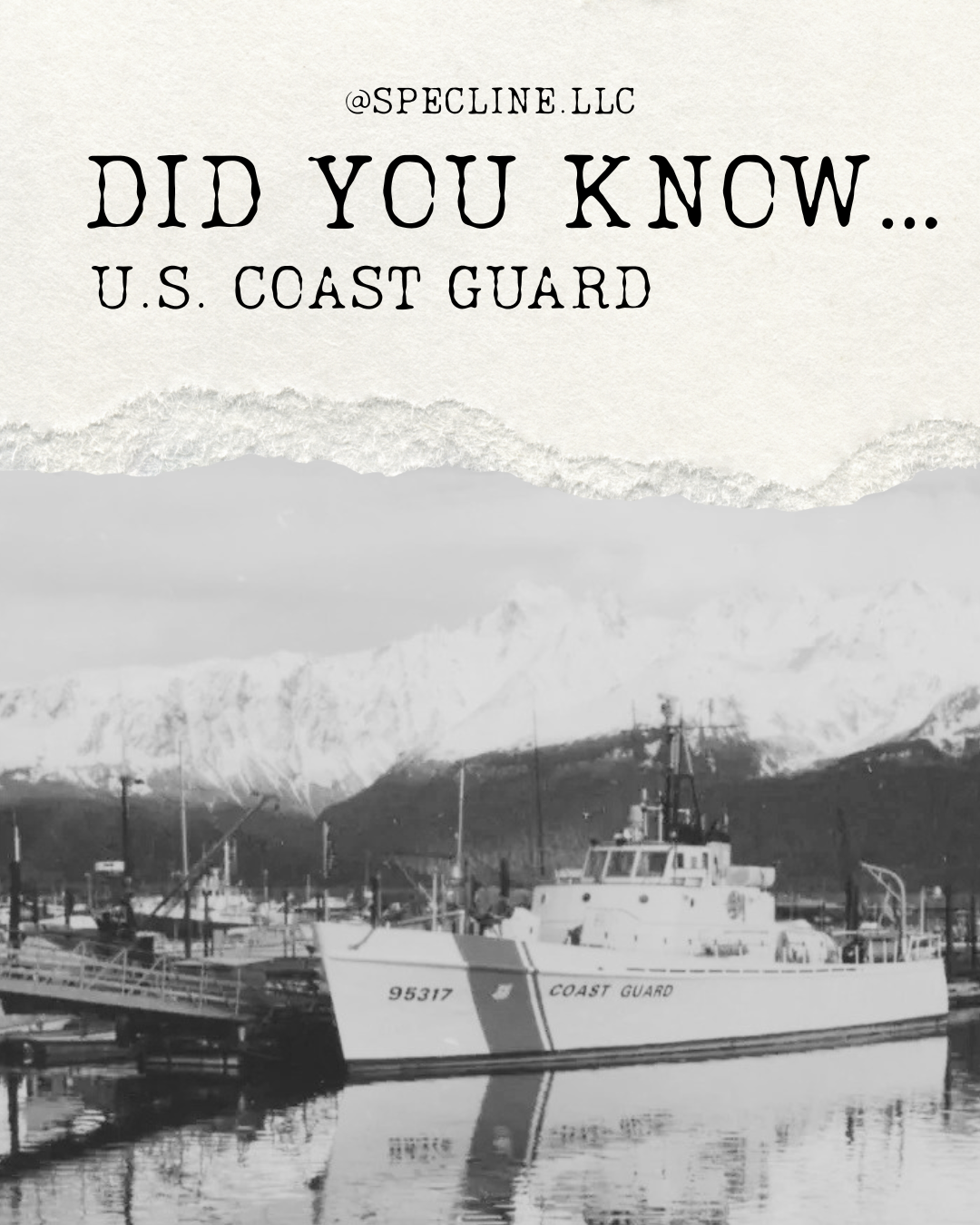
Believe it or not, the Coast Guard is one of the oldest military organizations in the country. It goes back to August 4, 1790, when Alexander Hamilton created the "Revenue Cutter Service." Back then, we didn’t even have a Navy yet! These small ships were the only line of defense, tasked with catching smugglers and making sure people paid their tariffs along the coast.
In 1915, things shifted. The Revenue Cutter Service merged with the U.S. Life-Saving Service. This combined two very different worlds: law enforcement and rescue operations. That unique DNA is exactly what makes the Coast Guard so versatile today.
One Service, Two Hats
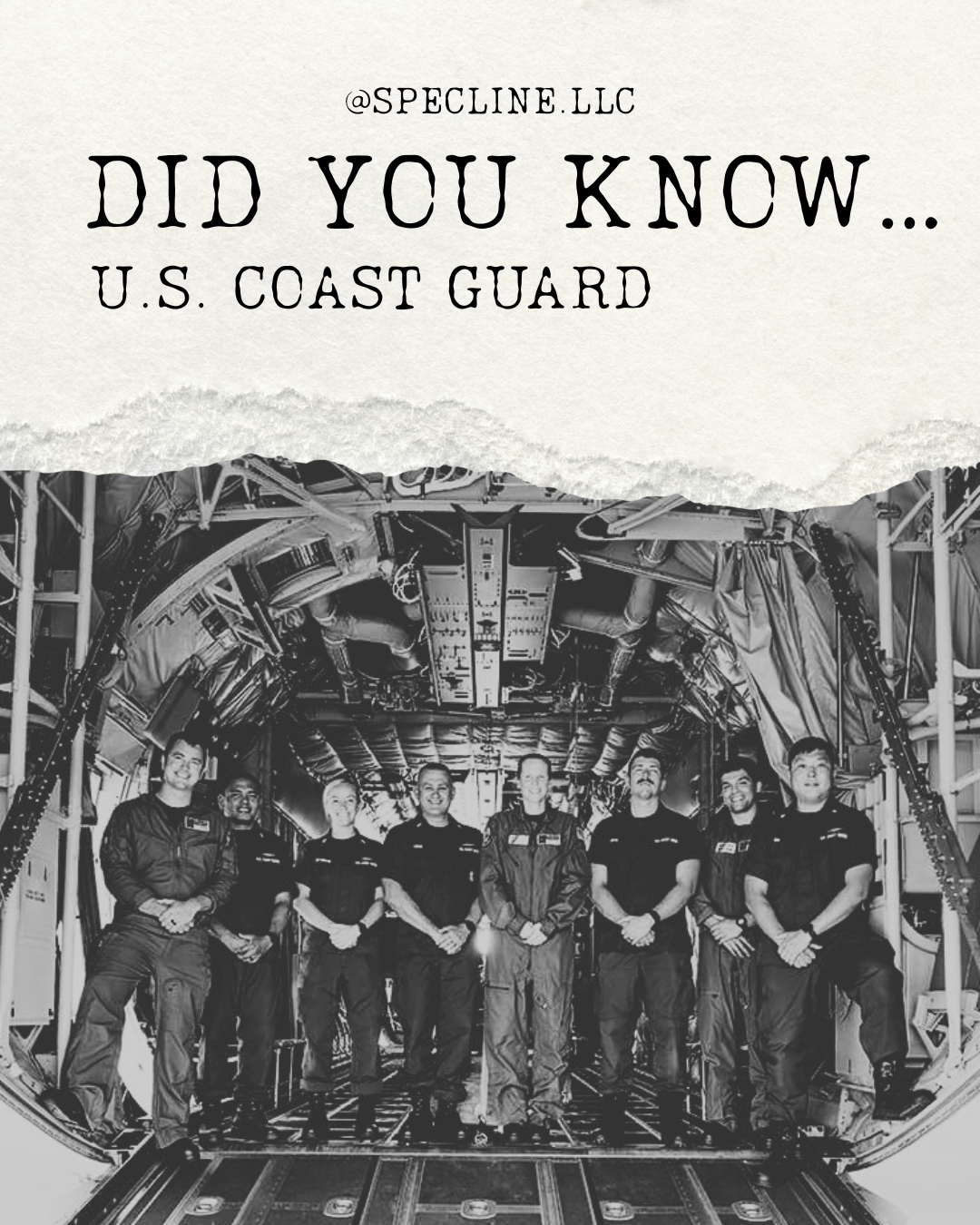
What makes the Coast Guard unique is that it’s essentially a "hybrid."
Peacetime: They operate under the Department of Homeland Security, focusing on safety and enforcement.
Wartime: They can be transferred to the Department of the Navy to support global combat operations.
What’s on Their To-Do List?
It’s a lot more than just patrolling the beach. On any given day, a Coast Guard crew might be:
Saving Lives: Conducting high-stakes search and rescue missions during storms or boat accidents.
Fighting Crime: Intercepting drug smugglers and stopping human trafficking.
Protecting Nature: Cleaning up oil spills and enforcing environmental laws.
Breaking Ice: Using massive icebreaker ships to keep polar shipping lanes open.
Maintaining Navigation: Managing thousands of buoys and lighthouses that keep ships from crashing.
Semper Paratus
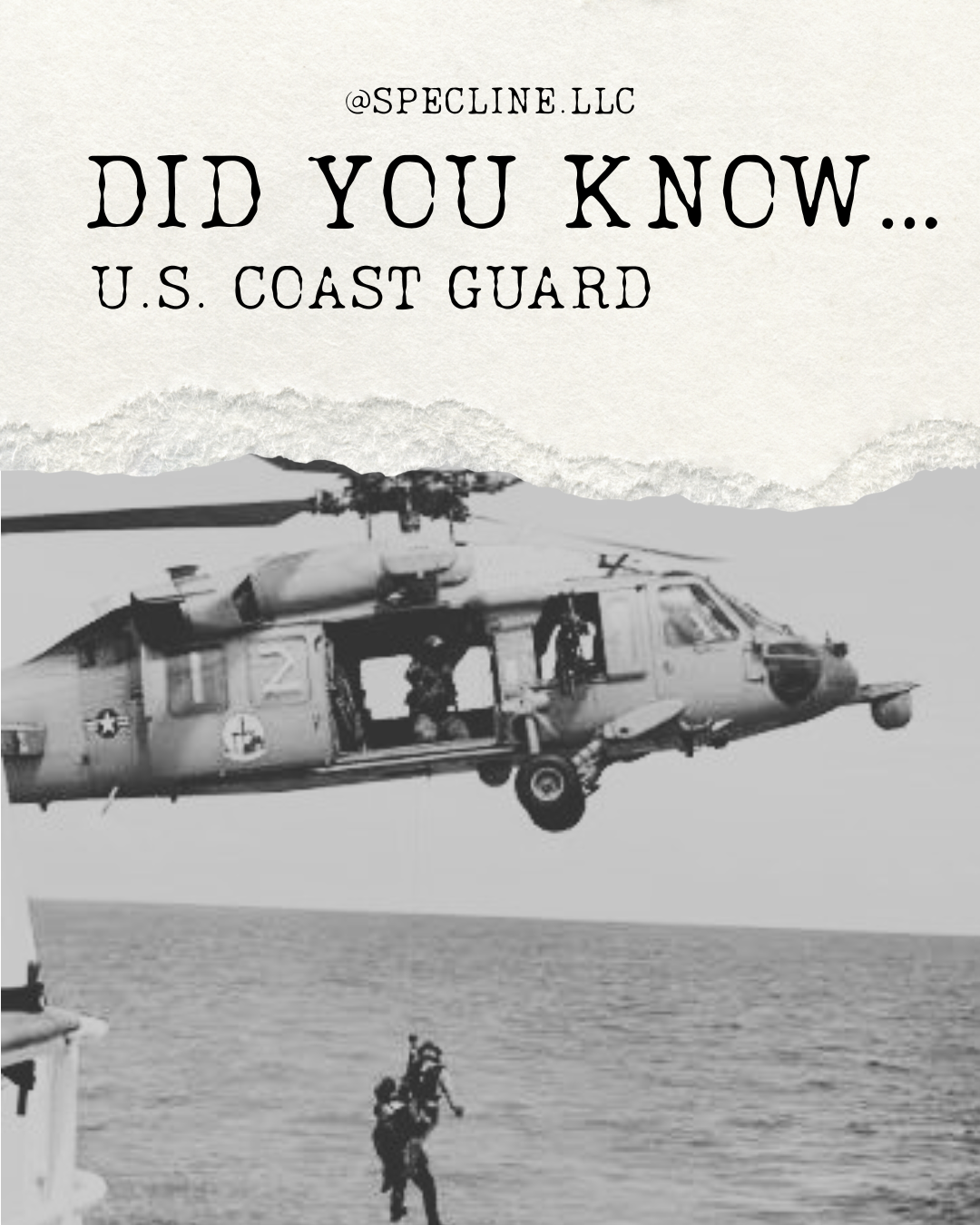
Their motto is "Semper Paratus," which translates to "Always Ready." It’s a fitting title for a group of people who are often the first ones to fly a helicopter into a hurricane or pull a stranded boater out of freezing water.
They might be a smaller branch compared to the others, but without them, our ports, our environment, and our coastal borders would be a whole lot less secure. Next time you see a white ship with that iconic diagonal red stripe, remember: they’re the ones keeping the watch while the rest of us are on dry land.